
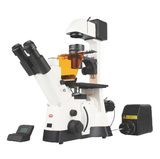
Clinical Microscope Buying Guide: How to Choose the Right Microscope for Your Medical Lab
Aug 21st 2026
Choosing a microscope for a clinical or medical laboratory starts with a simple question: What do you need to see?
A microscope used for routine examination of prepared slides may be very different from one used to observe living cells, analyze blood smears, identify crystals or capture fluorescence images. Magnification matters, but factors such as contrast method, objectives, illumination, sampl
…
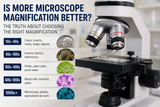
Is More Microscope Magnification Better? The Truth About Choosing the Right Magnification
Aug 1st 2026
When shopping for a microscope, it's easy to assume that bigger numbers mean better performance. You'll often see microscopes advertised with magnifications of 2000x or even 2500x, making it sound like more magnification automatically lets you see more.
The reality is different.
The best microscope isn't the one with the highest magnification. It's the one that provides the right combination of ma
…
Mitutoyo Microscopes: A Complete Buying Guide for Precision Measurement and Industrial Inspection
Jul 28th 2026
When precision matters, the microscope you choose can directly impact the quality of your inspections, measurements, and finished products. For decades, Mitutoyo has been recognized worldwide for manufacturing precision metrology equipment, and its measuring microscopes continue to be trusted by manufacturers, quality control professionals, and research laboratories across a wide range of industri
…
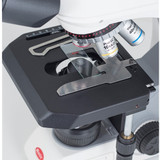
How to Choose a Phase Contrast Microscope: A Complete Buyer's Guide for Research, Clinical, and Cell Culture Applications
Jul 24th 2026
Phase contrast microscopy has become one of the most valuable imaging techniques in biology, microbiology, clinical laboratories, and cell culture research. Unlike traditional brightfield microscopes, phase contrast microscopes allow researchers to observe transparent, living specimens without staining them, making it easier to study cells and microorganisms in their natural state.
Whether you're
…


